Iconography of Christ
10 works
Having grown up in southern WV, the images of Jesus and those around him were an ever-present reality; they formed a basis of my experience in art, and while in undergraduate I was given proper context to the importance of this iconography in my understanding of culture and its progression. As such I find it imperative from time to time to turn to the image of Christ, the Mother Mary, Joseph, Mary Magdalene, and the Apostles to explore new stylistic and symbolic experimentation to help further my own artistic progression.
These figures carry with them an extraordinary weight — centuries of devotion, interpretation, and reinvention layered across every culture that has encountered them. It is precisely this accumulated meaning that makes them so compelling as artistic subjects. To paint Christ is not merely to render a face but to enter into a vast conversation stretching from the Byzantine mosaics of Ravenna to the tortured expressionism of Rouault, from the serene Renaissance Madonnas of Raphael to the radical reimaginings of modern and contemporary artists who have used these images to challenge, provoke, and illuminate. I do not approach this iconography from a place of dogma but from one of genuine curiosity — a desire to understand what these figures continue to mean, and what new meaning they might still be made to hold.
Growing up surrounded by these images instilled in me an intuitive familiarity with their visual language, yet it was only later, through formal study, that I began to understand the depth of their cultural and historical resonance. That tension — between the personal and the art historical, between faith and inquiry — sits at the heart of this series. Each work is an attempt to reconcile those two relationships: the child who saw these faces on the walls of churches and homes, and the artist who now approaches them with new tools, new questions, and an evolving visual identity.
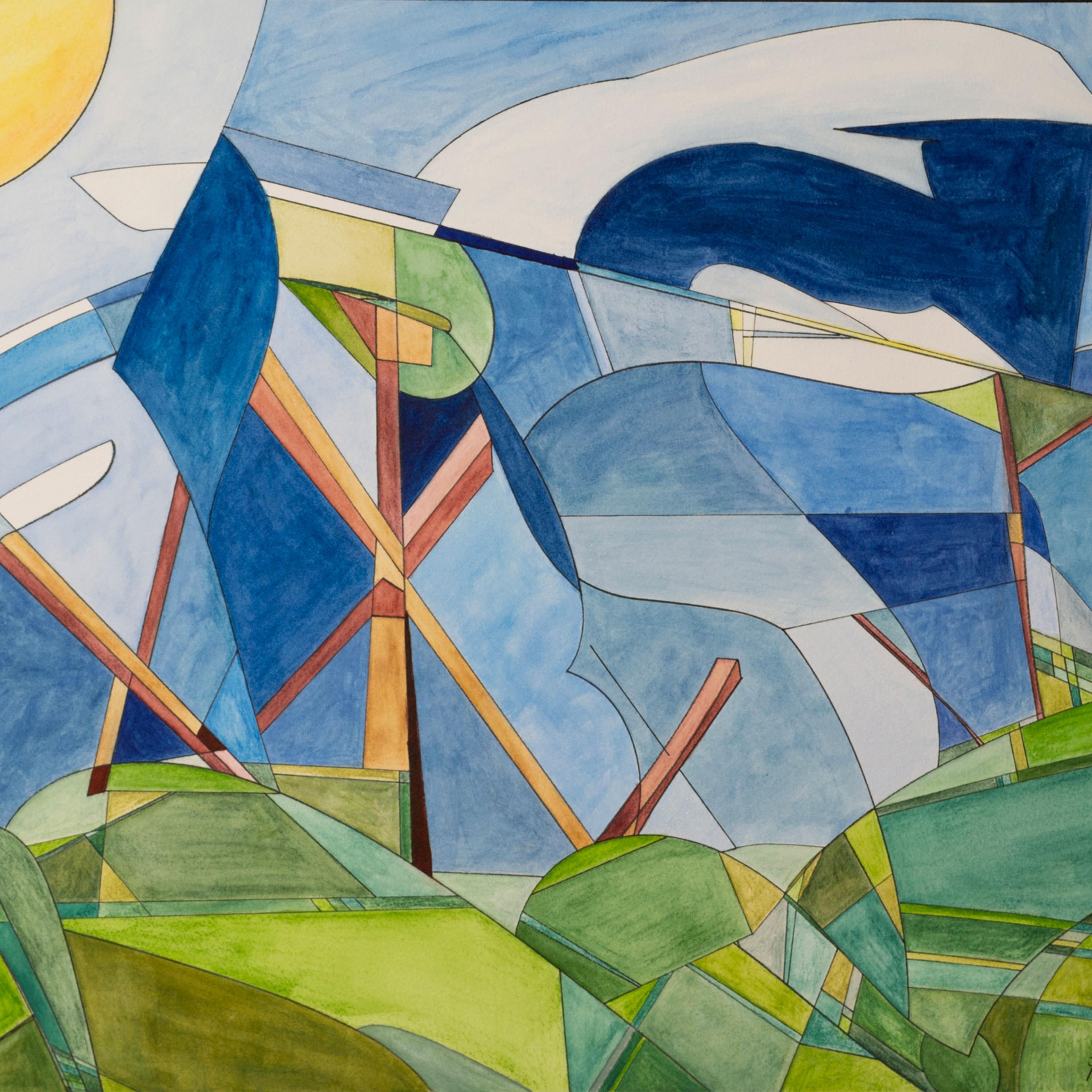
Three Roman Crucifixes Prepared on Calvary
Watercolor on Paper · 20x16 inches
$175
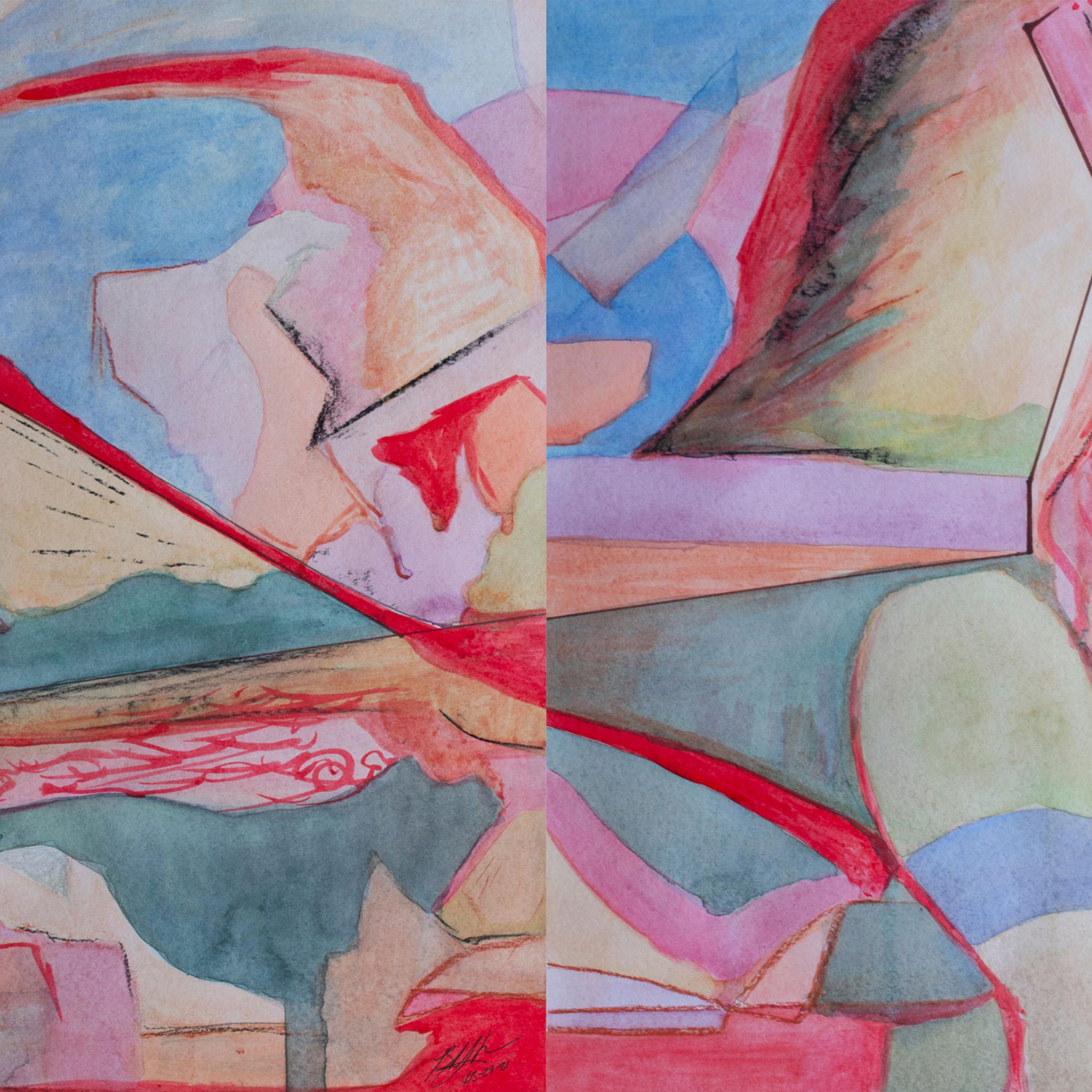
The Road on Calvary with the Scene of Christ's Death
Mixed Media on Paper · 22x15 inches
$100
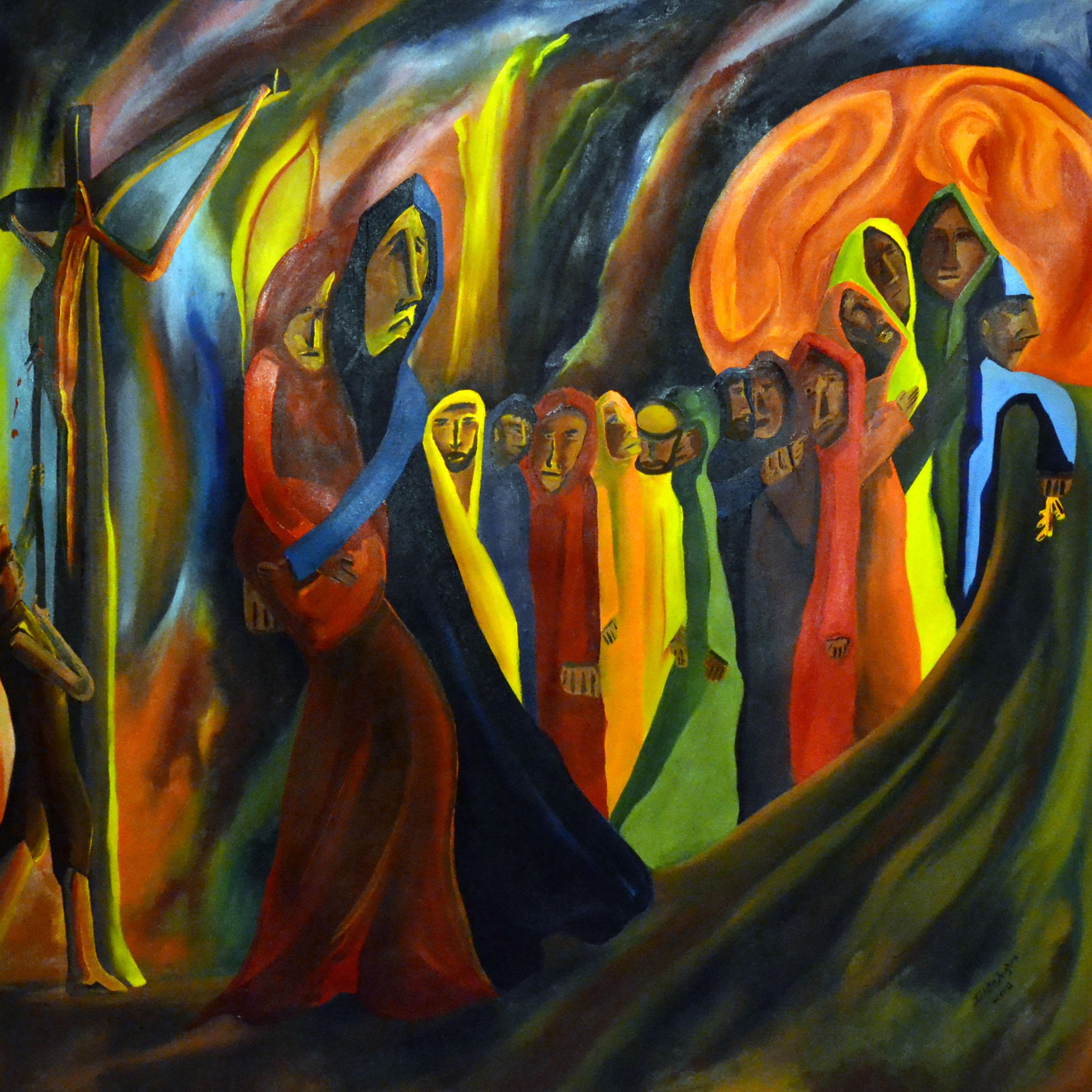
The Crucifixion and Death of Jesus El Savior Christ as Seen by an Outsider
Oil on Canvas · 60x60 inches
Sold
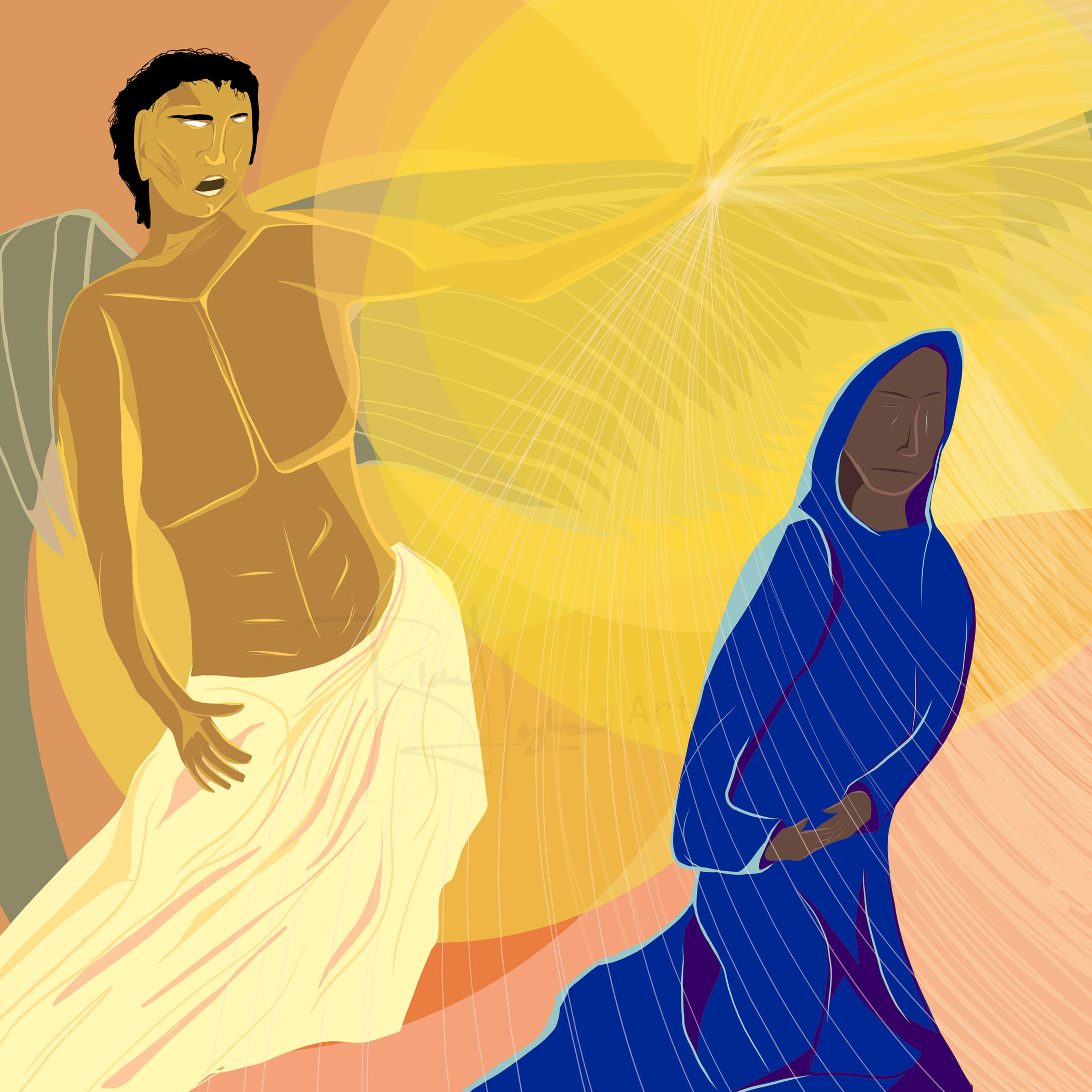
The Annunciation to Mary
Digital Drawing · 15x15 inches
Not For Sale
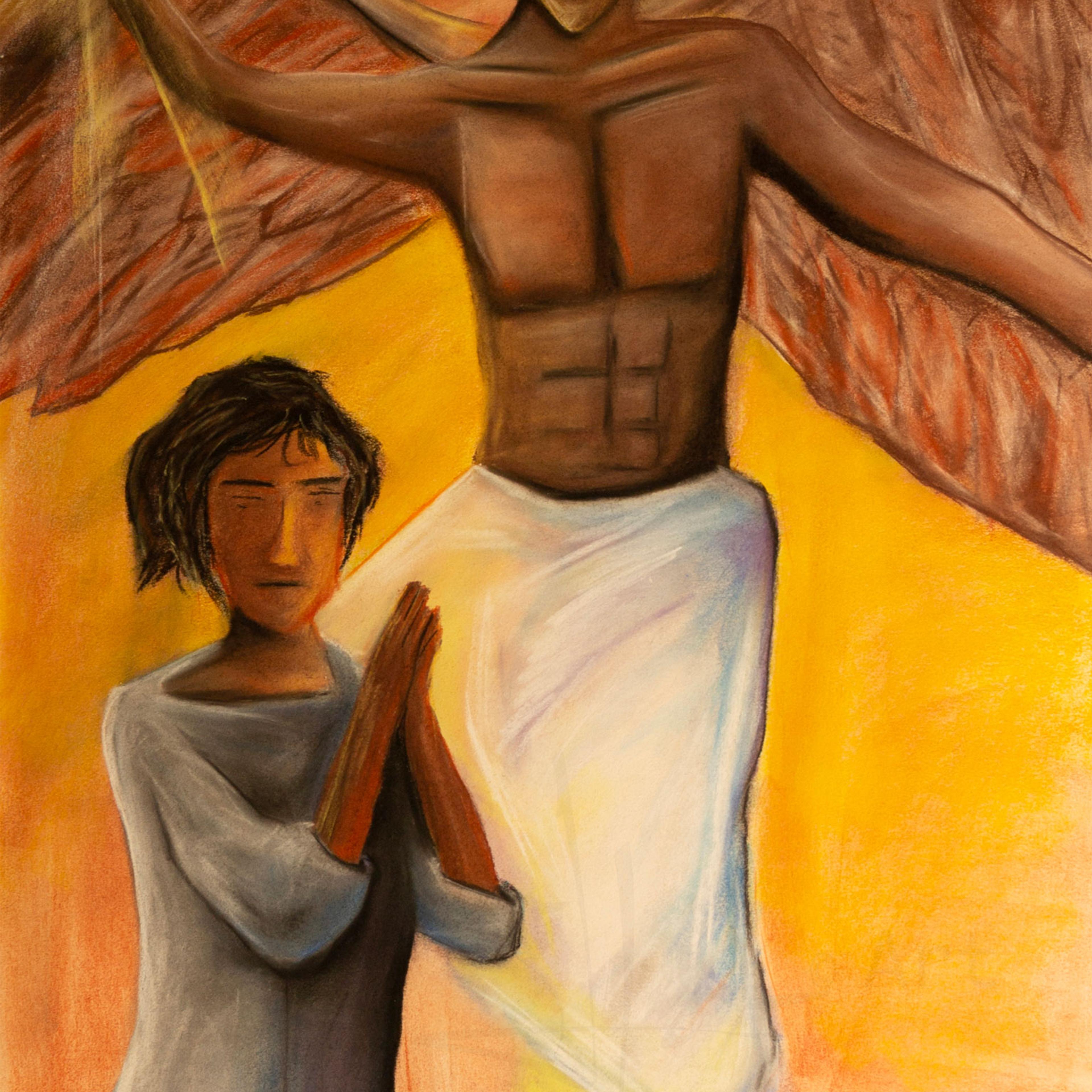
The Annunciation of the Archangel Gabriel to the Blessed Mother Mary
Pastel on Paper · 19x26 inches
$100
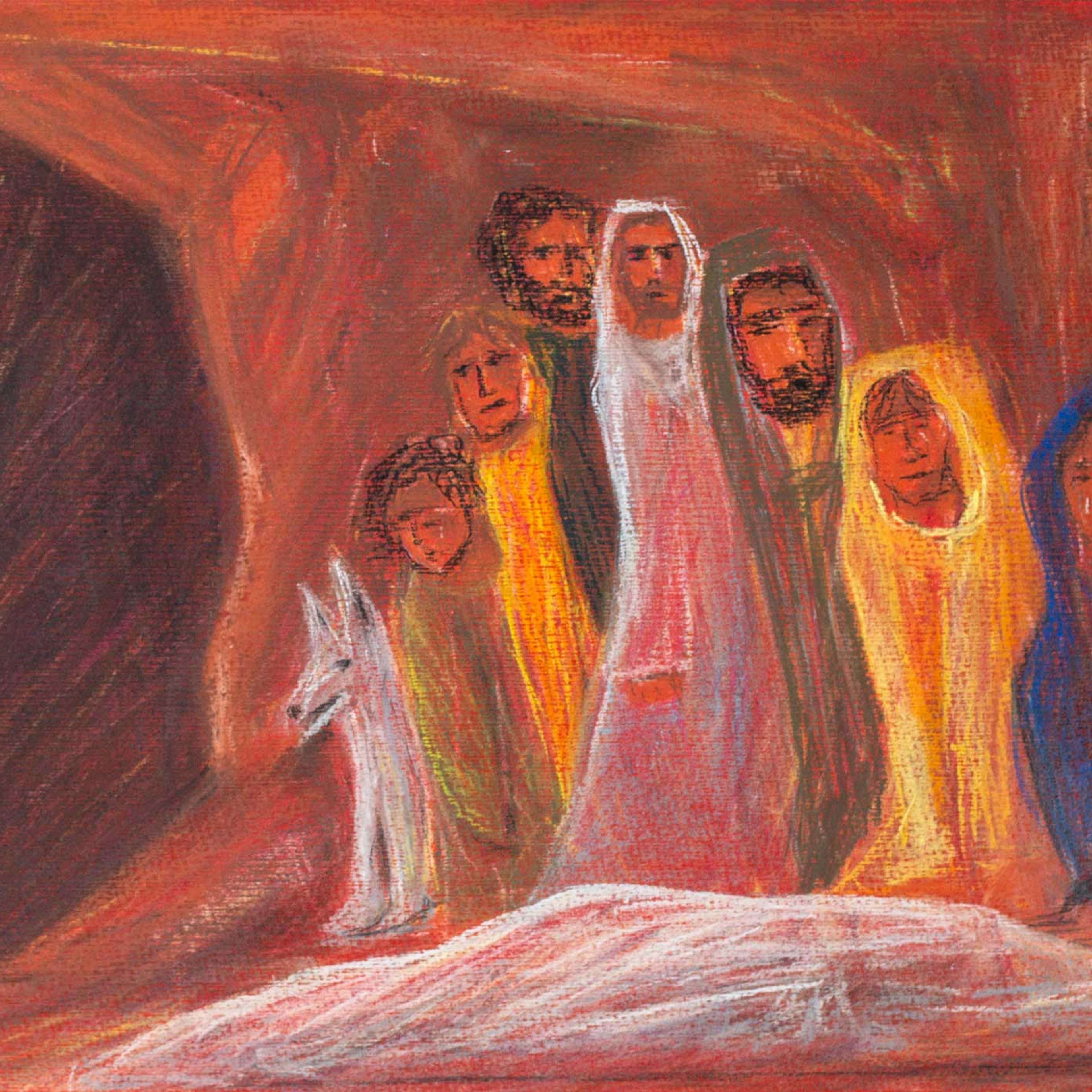
Prayer Over the Body of Christ Before Entombment
Pastel on Paper · 18x12 inches
$75
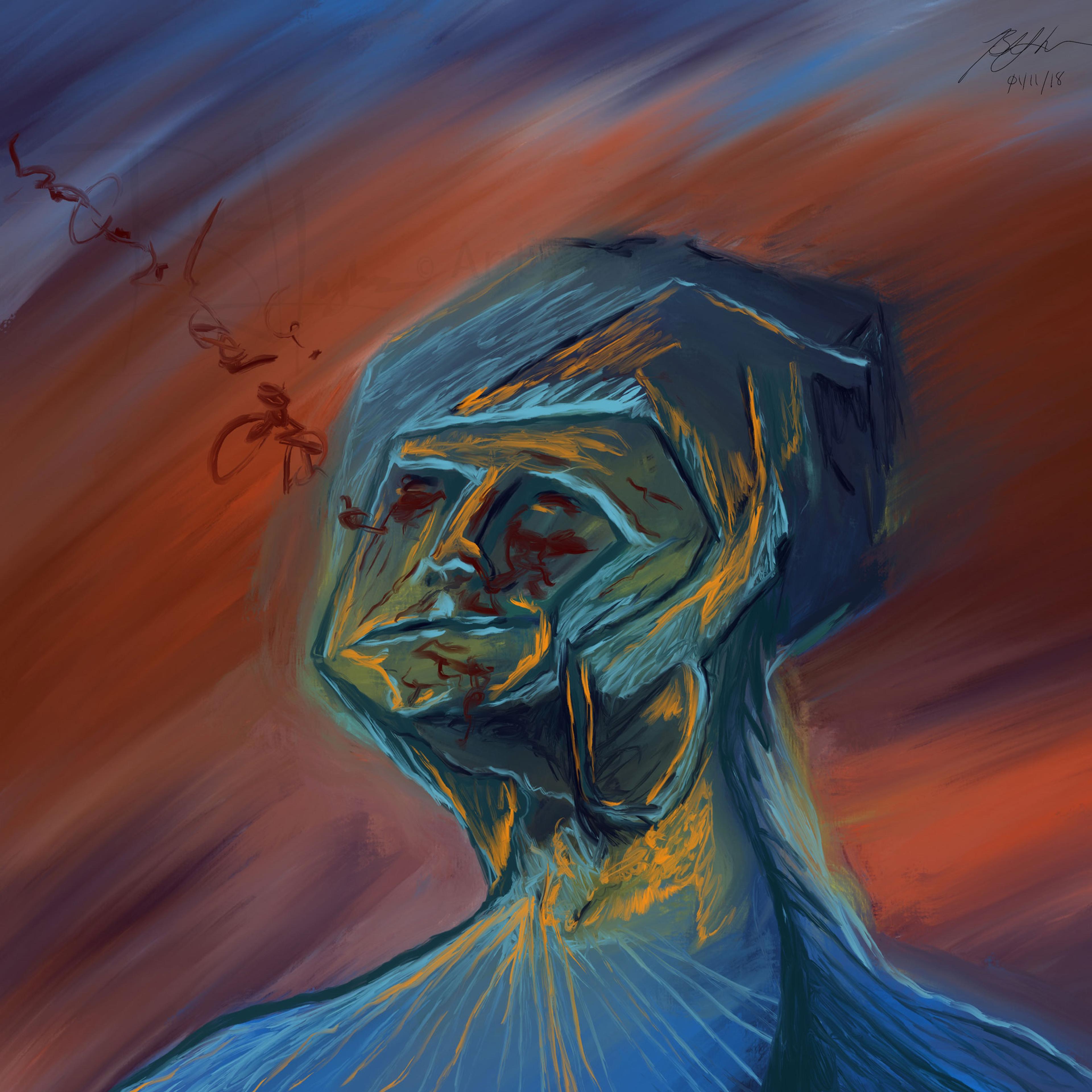
Longinus
Digital Drawing · 12x12 inches
Not For Sale
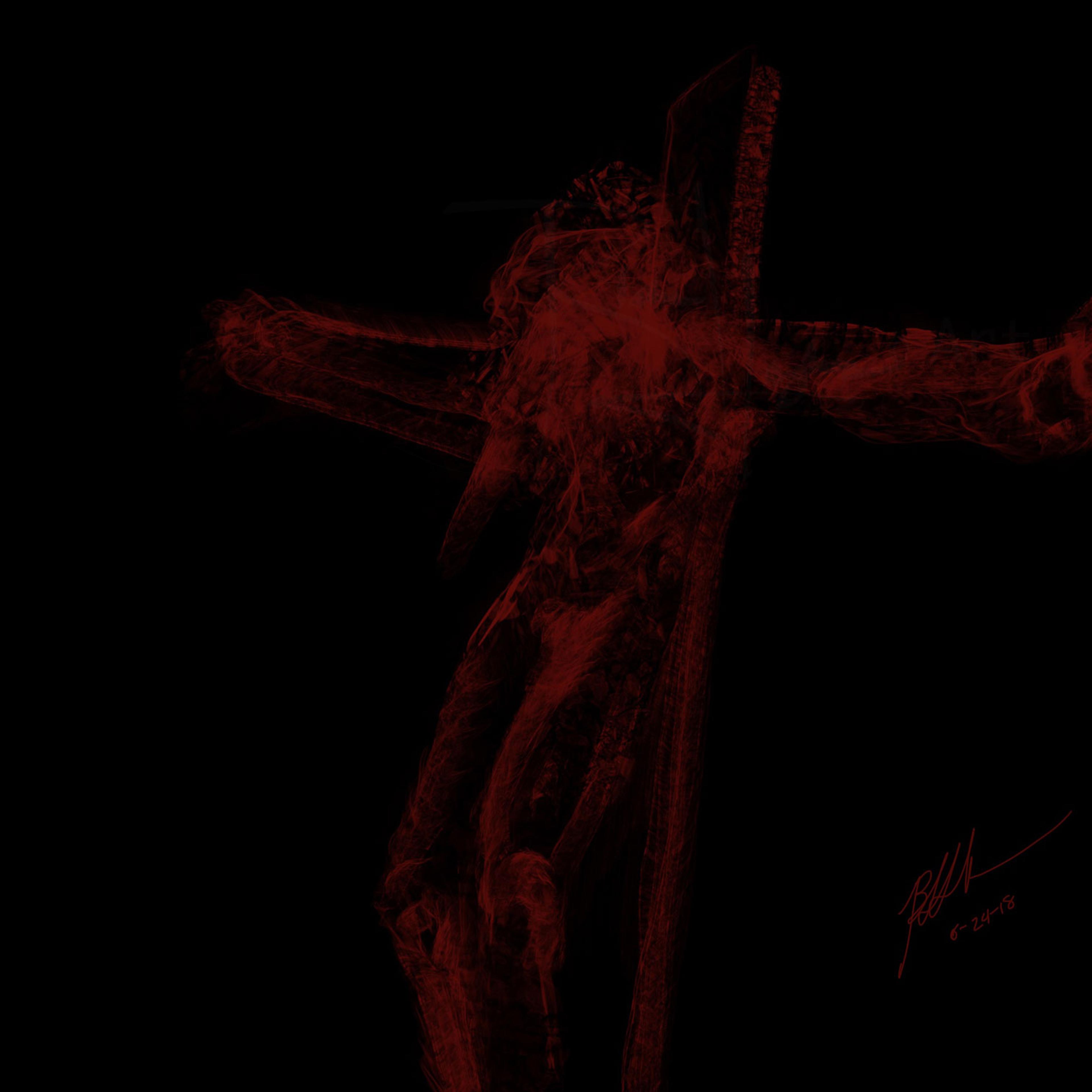
Christ In Red
Digital Drawing · 7x5 inches
$0
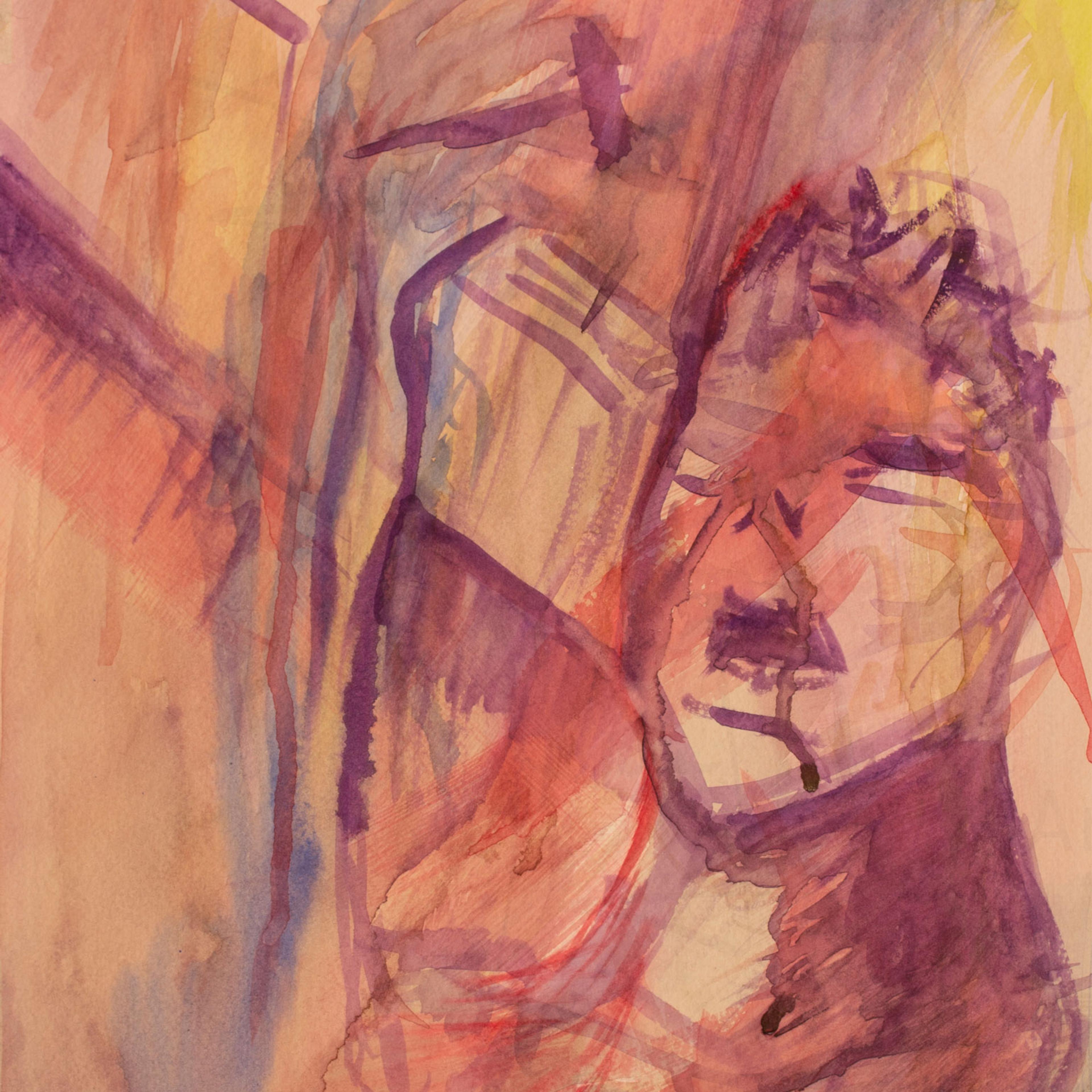
Christ Being Nailed to the Cross
Watercolor on Paper · 11x15 inches
$50
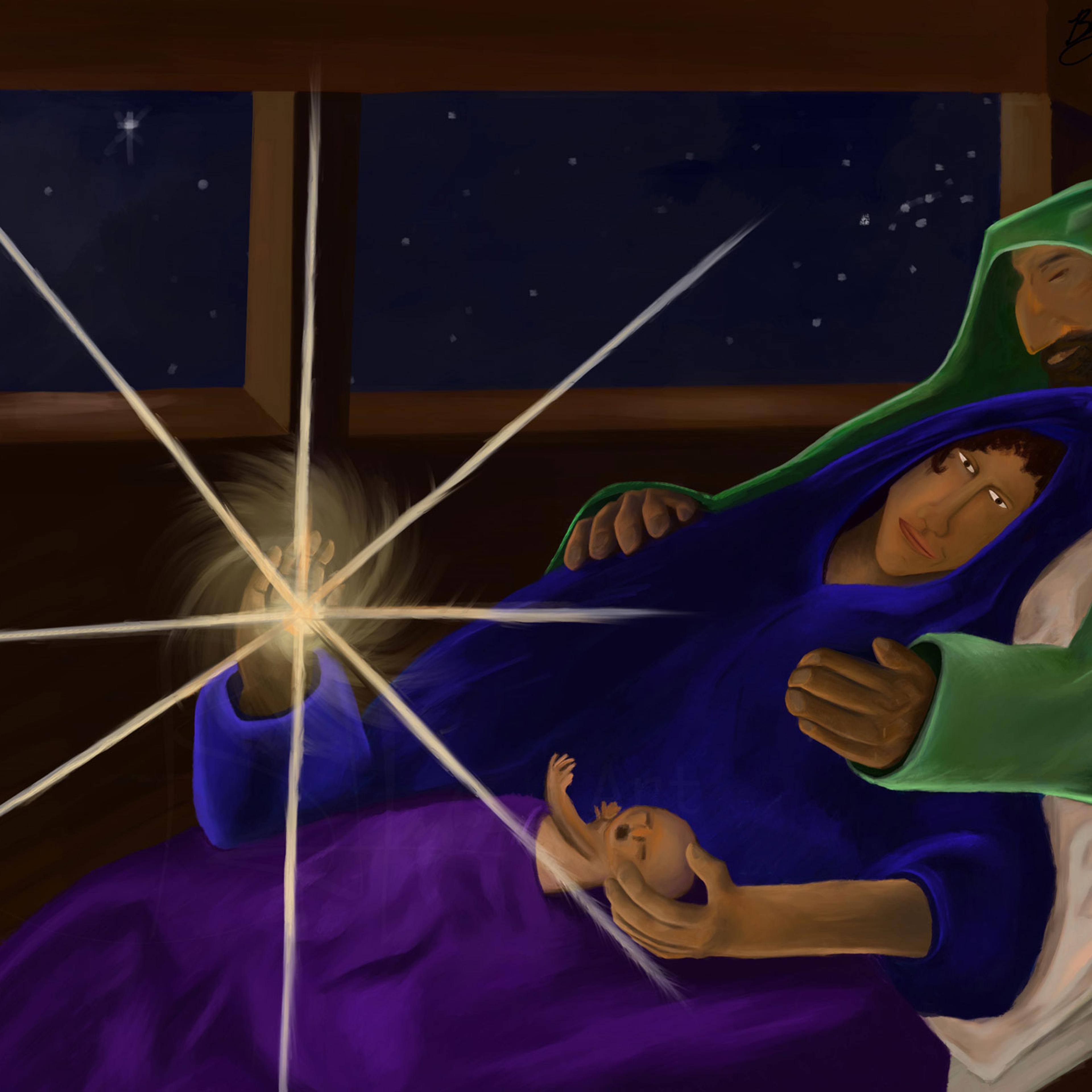
Birth of Christ
Digital Drawing · 12x9 inches
Not For Sale